
Whoa! I was staring at my hardware wallet one late night. Something felt off about the way NFT collections were listed. My gut said don’t rush—double-check. At first I thought the device just didn’t like certain token standards, but then I dug deeper and realized the issue lived in the firmware and app stack, not the hardware itself.
Really? Yes. Small change, big effect. Medium-sized updates can break how an app shows metadata. And sometimes the secure element behaves differently after a patch, which is confusing as heck for users who only want a simple, safe storage solution.
Okay, so check this out—NFTs are not just images. They are metadata, smart-contract pointers, and user expectations bundled into a single asset class. A hardware wallet has to reconcile a few different things at once: cryptographic key custody, on-device signing, and off-device metadata presentation. My instinct said the easiest part was the image. But actually, wait—let me rephrase that: the image is the visible tip of a deeper UX iceberg that includes compatibility, token standards (ERC-721, ERC-1155), and how wallets surface provenance info to the owner.
Here’s the thing. Firmware updates matter. They really do.
I’ll be honest—firmware updates feel annoying. They interrupt flow. They require trust. But they also patch vulnerabilities, enable new token standards, and improve signing flows so minting and transferring NFTs is safer. On one hand, skipping an update can feel fine for months. On the other hand, that same skip can leave you exposed to a bug that later becomes a vector for social-engineering attacks.
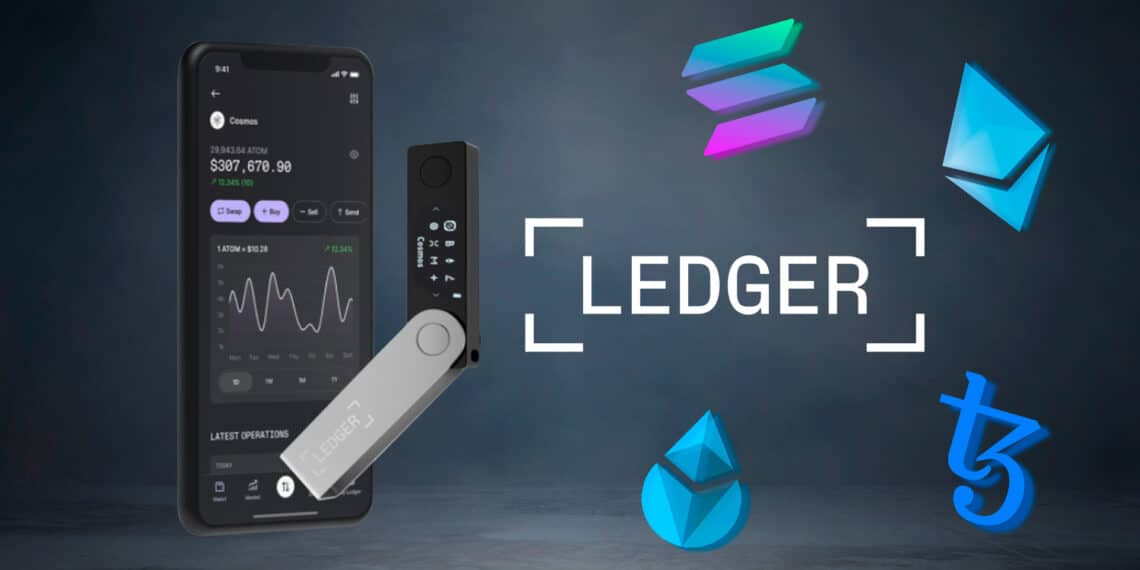
How NFT support and firmware interact — practical view (and my missteps)
Hmm… I screwed up once. I trusted a third-party app that claimed full NFT support and assumed my hardware wallet would just sign everything transparently. It signed the transaction, yes—but showed incomplete metadata. My first impression was that the wallet was «broken» when actually the app and the firmware spoke slightly different dialects of the same token standard. Lesson learned: compatibility is a three-way handshake between the device firmware, the companion app, and the third-party marketplace or smart contract.
Short story: keep software updated, but do it with care. Long story: check release notes, verify signatures, and back up your seed phrase before big changes. I know, this is basic. Still, people skip it. Heads up—if you have a large collection, consider testing updates on a small test account first. It’s tedious, but it saved me from scrambling during a marketplace drop.
On the analytical side, firmware updates can introduce improvements like transaction batching or alternative signing schemes that reduce user friction. They also can add explicit UI flows for NFT transfers so users are less likely to approve something malicious by accident. However, updates can inadvertently remove legacy support for obscure metadata fields used by older projects, causing some tokens to appear blank. So: balance innovation with backward compatibility.
My instinct said prioritize security. My analysis then prioritized compatibility. These priorities sometimes clash. On balance, I’d pick secure-by-default, then graceful degradation for old tokens—though I’m biased, but that’s how I sleep at night.
Seriously? You might wonder how to trust updates. Most reputable hardware wallet vendors publish release notes and digitally sign firmware binaries. Verify those signatures off-device. If you use companion apps, prefer those that integrate with the official firmware update tools. For example, many users rely on a desktop app to manage updates and NFTs; that app should handle metadata, but the signing should always happen on the hardware device itself. This reduces remote-execution risk dramatically.
Here’s a practical checklist I use before and after firmware updates:
– Backup seed phrase in multiple secure locations. Not digital. Paper or metal. No photos. Ever.
– Read the release notes for breaking changes. Yes, read them.
– Verify the firmware signature with the vendor’s published key if possible.
– Update companion apps to the matching versions recommended by the hardware vendor.
– Test one or two non-critical transactions after updating before moving valuable assets.
Now let’s talk NFT metadata and UX. Marketplaces expect images, traits, provenance links, sometimes animation or interactive content. Wallets historically focused on coins and tokens—simple numbers and addresses—so the UI for NFTs is naturally more complex. That means firmware teams must manage constraints: limited screen size, the secure element’s role in signing arbitrary data, and latency from querying on-chain metadata or IPFS.
On one hand, supporting rich NFT previews improves user confidence. On the other hand, pulling remote metadata introduces new attack surfaces (phishing, poisoned content). So secure wallets tend to fetch only minimal metadata by default and allow optional «preview» fetches after user confirmation. That trade-off is sensible, though it annoys casual users who want instant gallery views.
Check this out: when a hardware wallet shows a simple label like «Transfer NFT #123 from Contract X» it’s actually choosing a safer route. The app could show the image, but that image often lives on decentralized storage or a CDN, which could be tampered with to mislead users. So trust is layered: on-device signing, verified metadata when possible, and explicit user confirmations for non-trivial actions.
Okay, one more tangent—wallet interoperability. Wallets that support exported metadata or standards-compliant descriptors enable a better long-term archival strategy for collectors. Think long-term: if the wallet vendor disappears, can you still prove ownership? Not just by seed phrase, but by preserving signed transaction history and token provenance? These are the questions that keep some collectors up at night. Oh, and by the way… this matters more if you plan to show or sell your NFTs later.
FAQ
Q: Should I update firmware right away when a new version drops?
A: Usually yes, but do it cautiously. Verify signatures, read the notes, and back up your recovery phrase first. If you’re in the middle of a major sale or transfer, consider waiting a short window to confirm there are no regressions reported by other users.
Q: Will my wallet show every NFT correctly after an update?
A: Not always. Some updates improve compatibility; others change how metadata is parsed which can make old items look blank. If an NFT appears missing, check the companion app for raw token data and consult the project’s metadata standard. Sometimes it’s a display issue, not a custody one.
Q: How do I safely preview NFT metadata?
A: Prefer previews handled by reputable apps that let the hardware wallet control signing. Avoid opening unknown external links. And if you want a trusted desktop experience for managing NFTs and firmware, many users rely on official tools like ledger live that centralize updates and asset management with a known vendor security model.
In the end, NFTs added a new layer to hardware-wallet custodianship. They’re not rocket science, but they force vendors and users to think differently about metadata, UX, and secure update processes. My take: be cautious, be curious, and be ready to adapt—somethin’ has to give, and it’s usually complacency. This part bugs me, but it’s also the place where small improvements yield big trust gains.
