
Whoa, that felt risky. I kept my Ledger tucked in a drawer for many quiet months. At first I thought a hardware wallet solved everything. But then I realized that cold storage has layers — seed management, physical security, firmware updates, and human error all matter more than a single device’s reputation. This piece digs into pragmatic cold storage strategies and real trade-offs.
Really, it’s not glamorous. Cold storage isn’t just a phrase; it’s a practice with routines. You need a safe seed phrase process and predictable habits. Initially I thought backup in multiple physical locations was enough, but then I confronted scenarios where coordinated theft, fire, or bureaucratic hurdles wiped out carefully spread backups. So we talk about redundancy, plausible deniability, and recovery plans.
Hmm… this surprised me. First, pick your hardware carefully and test it well. Open-source firmware has pros, but audited closed-source options can be safer for certain users. On one hand firmware transparency reduces hidden risks; on the other hand supply-chain compromise or user error can still expose keys even with the best software in place, so choosing devices requires thoughtfulness and a small plan. Don’t forget multi-currency support if you hold diverse assets.
Seriously, check that twice. Many wallets advertise support for hundreds of different coins today. But native protocol support and token management differ widely across assets. For example, some devices manage complex staking derivations and smart-contract interactions natively, while others require firmware updates, companion apps, or external signing setups that change your threat model significantly. So test coins on mainnet with small amounts before trusting large balances.
Wow, that changed things. Second, seed phrase handling is the real battleground for most people. Write your seed down on metal if you can afford it. My instinct said paper backup was fine until I watched a neighbor spill coffee during a flood and lose access to their emergency funds — that image stuck with me and reshaped my priorities. Use both redundancy and secrecy in equal measure to reduce single points of failure.
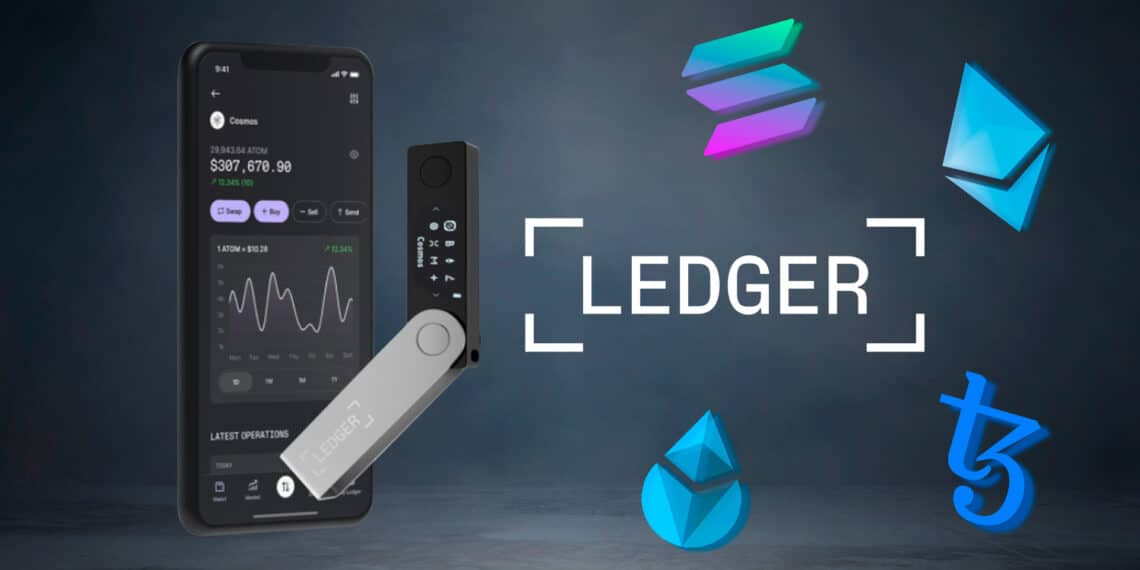
Managing devices and software — a short practical note with ledger live
Here’s the thing. Hardware wallets need a companion app for many chains. I prefer devices that log firmware provenance and offer deterministic recovery. Initially I thought storing seeds in a bank safety deposit box would solve theft and disaster concerns, but then I realized legal access, subpoenas, and bank failures introduce new risks and complexity that many users ignore. Consider legal redundancy like wills and decentralized recovery plans with trusted contacts.
I’m biased, but multisig dramatically reduces single-point failure risks for substantial holdings. Set it up across different device types and geographic locations. On one hand multisig raises complexity and recovery friction for heirs and custodians; on the other, it makes large-scale theft far less likely because attackers must compromise many independent elements simultaneously. Test your multisig recovery path at least annually with dummy transactions.
Really, do that regularly. Physical security matters far more than many people expect in daily life. Use tamper-evident storage, discreet locations, and a clear access protocol for trusted contacts. On balance the best approach mixes a well-reviewed hardware device, a tested seed backup stored in a fireproof and hidden place, multisig for large sums, and an operational plan that non-technical family can execute in an emergency. If you want a solid desktop manager, try ledger live for device management.
Okay, so check this out — small holdings don’t need the same setup as institutional reserves. I’m not 100% sure about one-size-fits-all rules, and honestly I like keeping somethin’ simple for everyday use. A rule of thumb: if losing the keys hurts you financially, invest in a multi-layered plan. This part bugs me — people often assume «hardware wallet» equals «infallible», and that’s just not true. Be pragmatic, document your plan (not your seed), and rehearse it like a fire drill.
FAQ
How many backups should I keep and where?
Keep at least two independent backups in different threat domains — for example, one metal seed in a hidden, fireproof place and one split backup with trusted, geographically separated people. Use redundancy without creating predictable patterns. Also, rotate and test your backups periodically; stale backups can be worse than none at all.
Is multisig necessary for individuals?
Not for everyone. Multisig adds security for larger holdings and makes catastrophic single-point failures less likely, but it increases complexity. If you choose multisig, practice recovery workflows and document clear instructions for successors. If you prefer simplicity, prioritize a robust seed backup and strong physical security instead.
